
Proper Barrel Placement and Foundation
Where you put your rain barrel matters more than you'd think. We'll walk through finding the right spot, preparing the ground, and making sure everything stays stable and accessible year-round.
Why Location Is Your First Decision
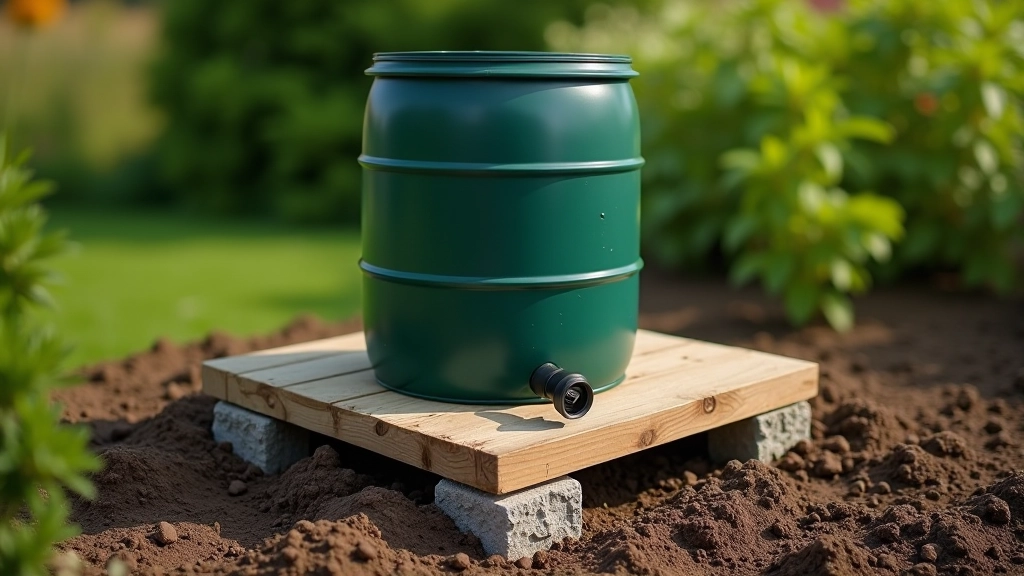
Here's the thing — you can't just plop a 200-pound barrel anywhere and expect it to work well. The ground beneath it matters. Access to your gutter matters. Distance to your garden beds matters. And safety? That matters most of all.
Getting placement right from the start saves you headaches later. You won't be moving a full barrel across your yard, trust us. So let's talk through the main considerations before you dig or build anything.
Finding the Right Spot
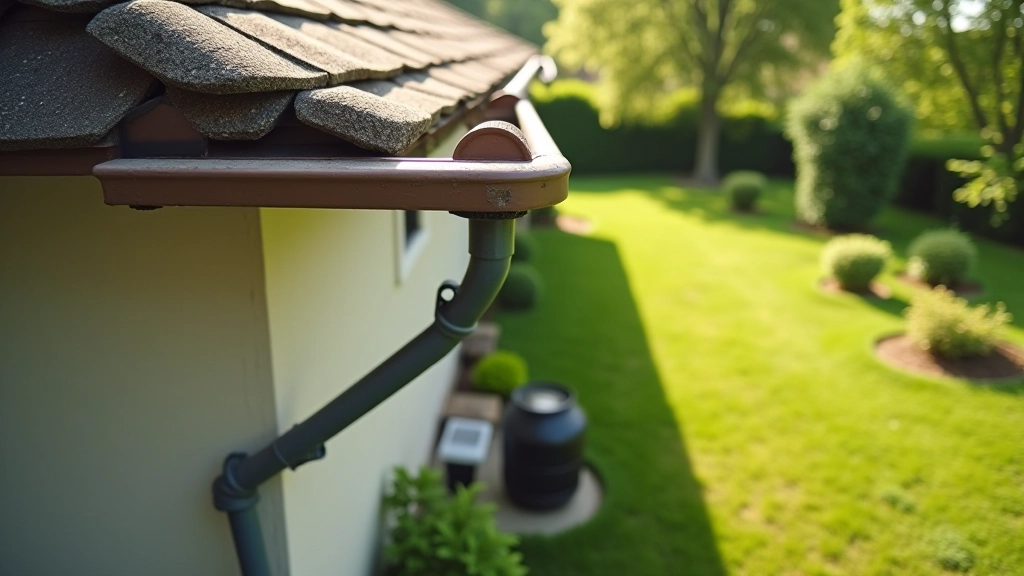
You'll want your barrel close enough to a downspout that you can run guttering to it without crazy long hose runs. Most people aim for within 10-15 feet of where the water comes down from their roof.
But you also need the barrel positioned where it'll be useful. If your garden's on the other side of the property, you're defeating the purpose. Think about where you'll actually use the water. That's your starting point for location planning.
Quick Location Checklist
- Within 10-15 feet of a downspout
- Close to where you'll use the water
- On relatively level ground
- Away from trees dropping leaves or branches
- Visible enough for regular monitoring
Building a Solid Foundation
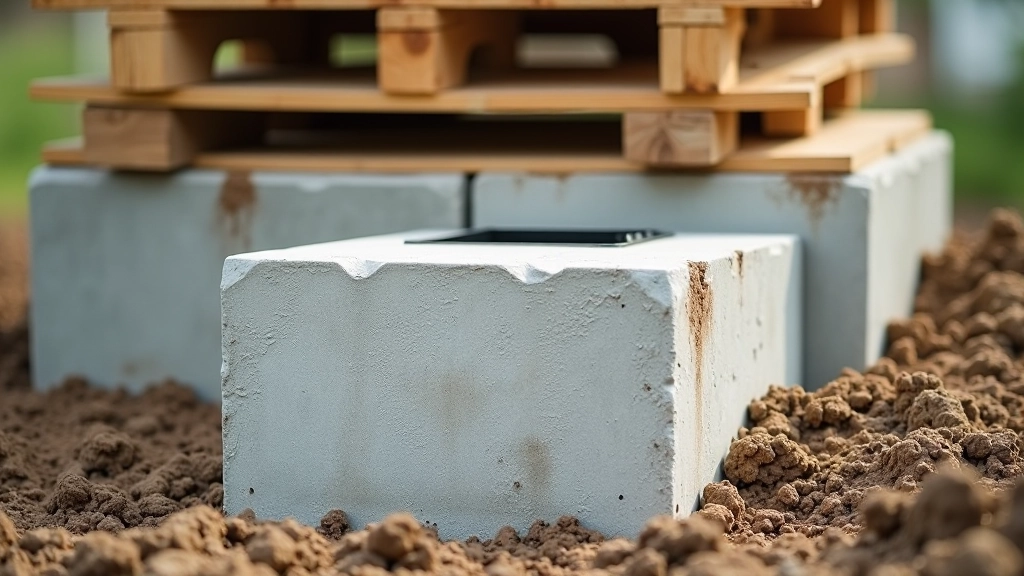
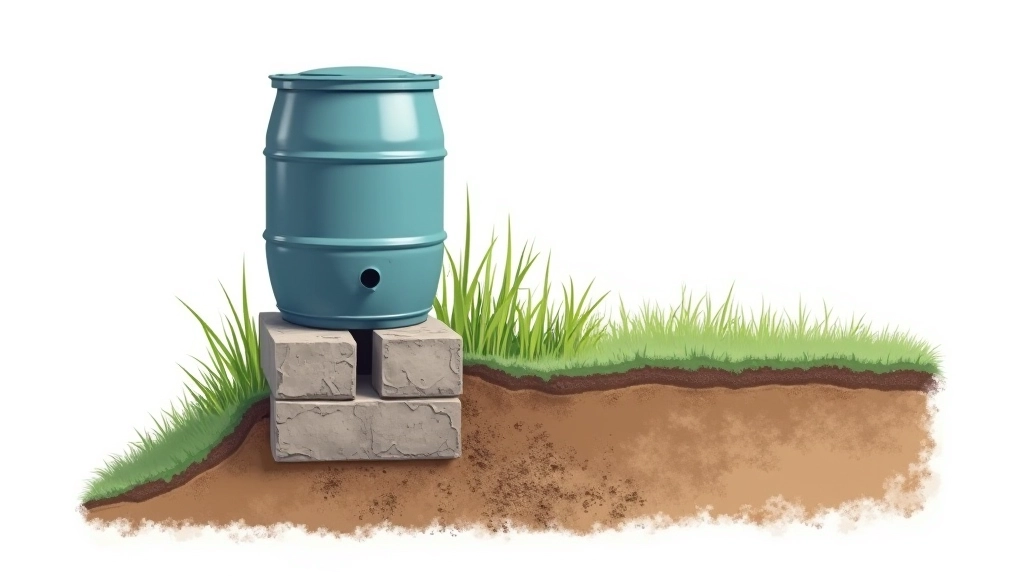
This is where most people cut corners, and it shows. A 55-gallon barrel filled with water weighs around 450 pounds. A 100-gallon barrel? You're looking at 800+ pounds. That's not something you want settling unevenly into the ground.
Your foundation needs to be level, stable, and distribute that weight properly. Concrete blocks or a wooden platform work best. Some folks use gravel, but we've seen that shift over time, especially in freeze-thaw cycles.
Clear and Level
Remove grass or debris from your chosen spot. Use a level to check the ground — you want it as flat as possible.
Lay Foundation Material
Use concrete blocks, a wooden platform (at least 2x6 lumber), or pre-made plastic bases. Space them evenly under where the barrel will sit.
Check Level Again
Place your level on top of the foundation material. Adjust blocks or add shims until everything is truly level.
Keeping It Accessible
You're going to need to clean that barrel. Sediment builds up. Leaves get in. Algae might grow if you're not careful. All of this means you need space around your barrel to work with it.
Plan for at least 2-3 feet of clearance on all sides. You'll want to be able to reach the top for cleaning, access the spigot at the bottom without awkwardness, and get a brush or hose up inside the barrel when needed.
Don't tuck your barrel into a tight corner. You won't enjoy maintaining it, and you'll be less likely to keep it in good shape.
Dealing With Sloped Ground
Not everyone has a perfectly flat yard. If your spot has a slope, you'll need to work with it. The good news? That's what the foundation material is for.
Use different heights of concrete blocks or adjust your wooden platform so the top surface ends up level. You might need blocks that are 4 inches tall on one side and 8 inches on the other. That's fine — just make sure the barrel itself sits on a level surface.
This also helps with drainage. Water around the barrel will naturally flow downhill, keeping the area from turning into a soggy mess.
Weather Considerations
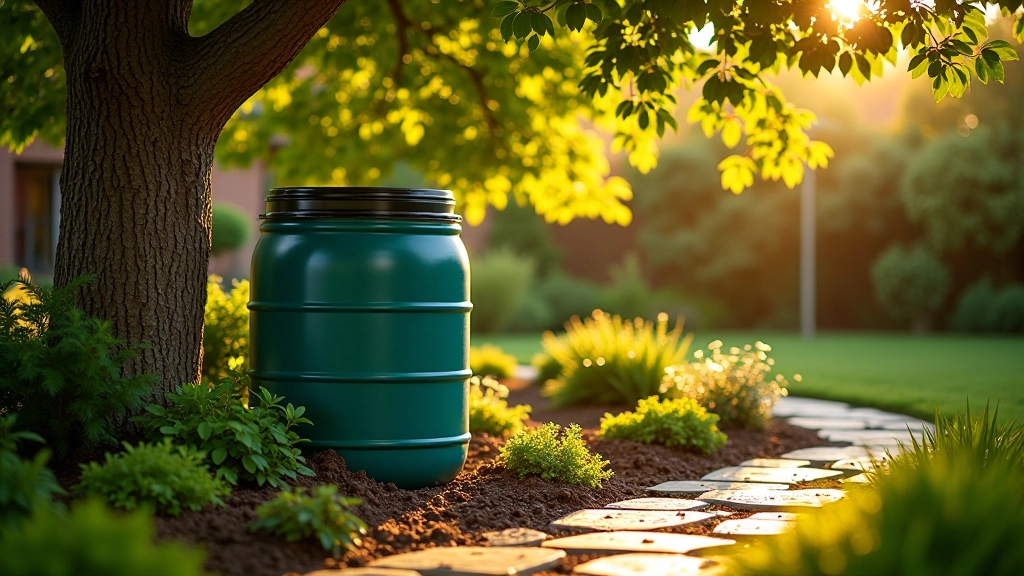
Think about sun exposure. Direct sun on a dark barrel can heat the water, which isn't ideal — it encourages algae growth. But complete shade means the barrel stays cool and damp, which has its own problems.
Partial shade is the sweet spot. If your barrel sits under a deciduous tree, you'll get afternoon shade in summer and more sun in winter. That works well. Just keep fallen leaves out of the opening.
Wind Exposure
Wind can knock over unsecured barrels. Make sure yours is stable and consider anchoring it if you're in a breezy area.
Freezing Risk
In cold climates, water can freeze and crack barrels. Position barrels where they drain easily and consider covering them in winter.
Heavy Rain
Make sure water doesn't pool around the barrel during heavy downpours. Good drainage around the foundation is essential.
Putting It All Together
You're not overthinking this by spending time on placement. A well-placed barrel with a solid foundation will serve you reliably for years. It'll be easy to maintain, positioned to collect water efficiently, and safe for your property.
Take a day to scout your yard. Mark out a few potential spots. Walk through each one at different times of day. Check how the water flows during rain. Once you've picked your location and built a proper foundation, you're ready to connect your guttering and start collecting water.
Important Note
This guide is for educational and informational purposes. Rainwater collection is legal in many places but regulated in others — check your local building codes and water regulations before installing a barrel system. If you're unsure about your yard's slope, soil stability, or structural requirements, consider consulting with a local professional or building inspector.
Primaxvale Editorial Team
Editorial Team
Written by the primaxvale editorial team, focused on practical rainwater harvesting and drip irrigation guidance. We test approaches and share what actually works in real gardens.
Continue Reading
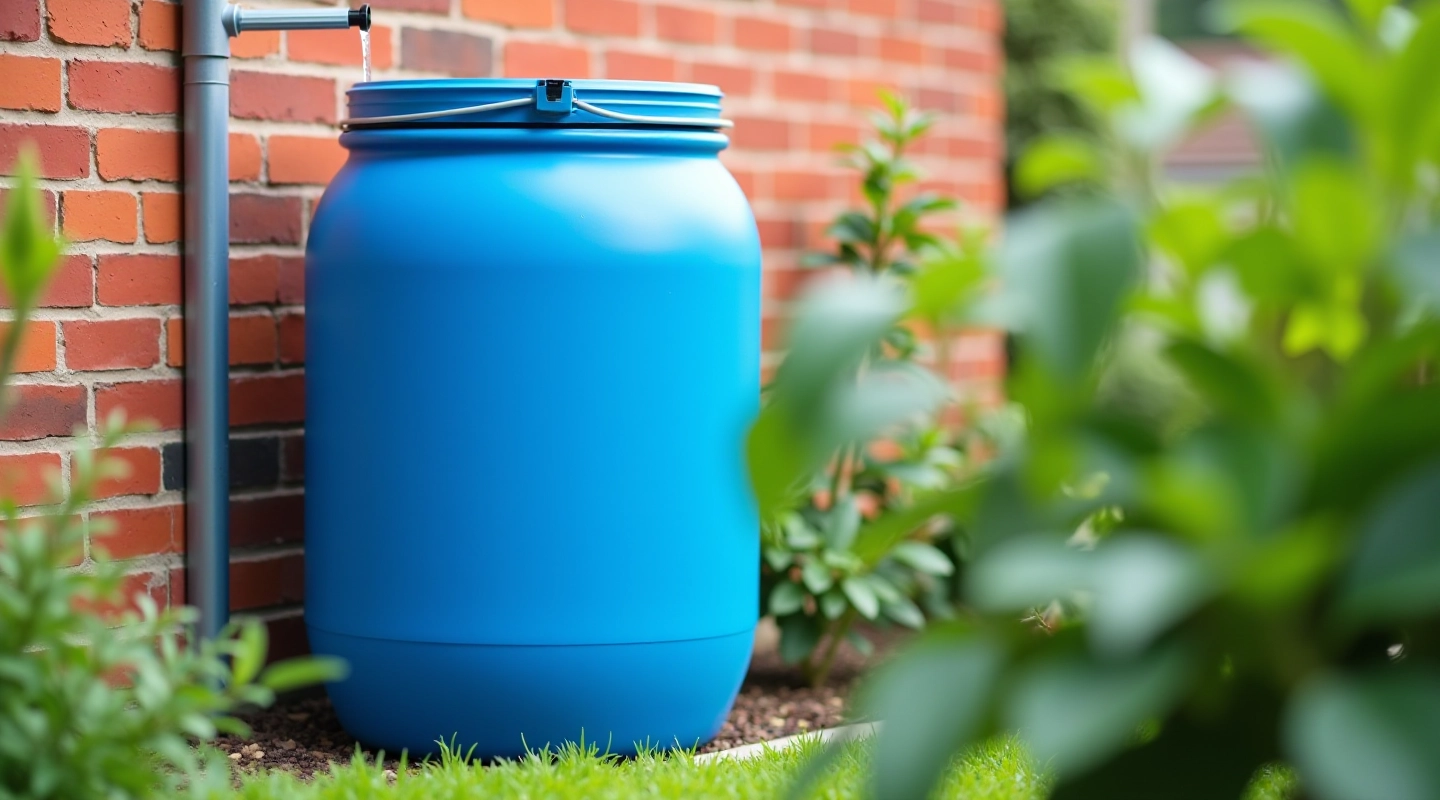
Getting Started with Your First Rain Barrel
Complete walkthrough of barrel selection, placement, and connecting your first downspout.
Installing Drip Irrigation from Your Barrel
Step-by-step guide to running drip lines from your barrel. Covers hose selection, fitting installation, and layout.
Seasonal Maintenance and Cleaning Tips
Keep your barrel working well year-round. Learn how to prevent algae, clear sediment, and prepare for winter.