
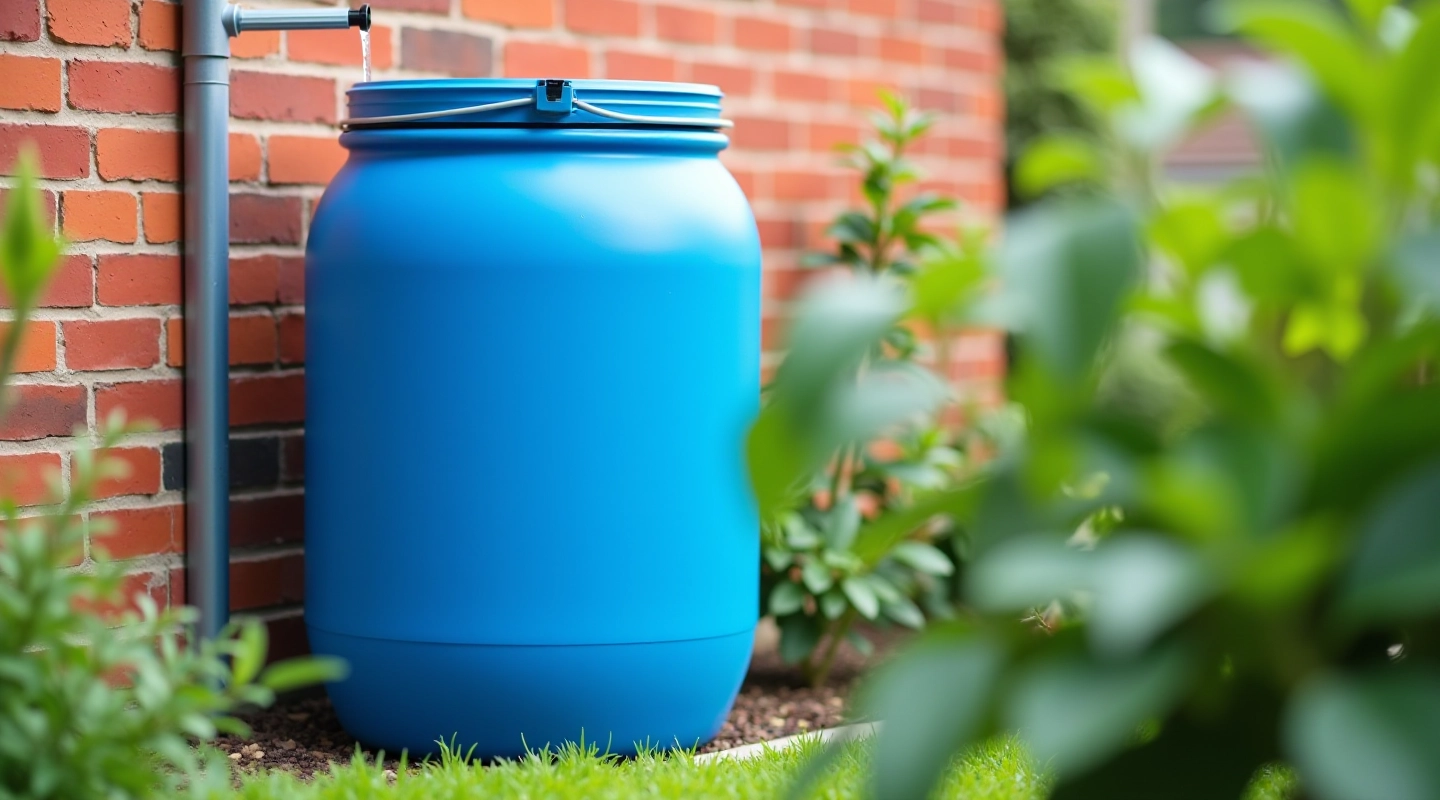
Getting Started with Your First Rain Barrel
Complete walkthrough of barrel selection, placement, and connecting your first downspout.
Keep your barrel working well year-round. Learn how to prevent algae, clear sediment, winterize in cold climates, and inspect your system regularly.
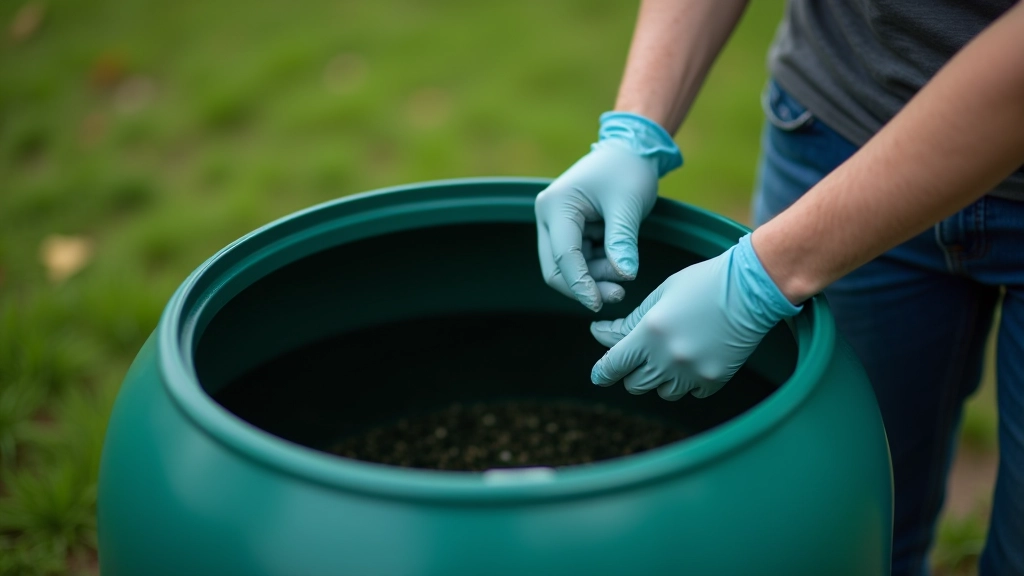
A rain barrel that's neglected won't deliver clean water for long. You'll end up with stagnant water, algae growth, and sediment buildup that clogs your drip lines. The good news? Regular maintenance isn't complicated. It's just about knowing what to do and when to do it.
We're talking about spending maybe 30 minutes every few months to keep everything running smoothly. That's way less time than you'd spend fixing a clogged system or dealing with mosquito breeding grounds. Let's walk through the seasonal rhythm that keeps barrels healthy.
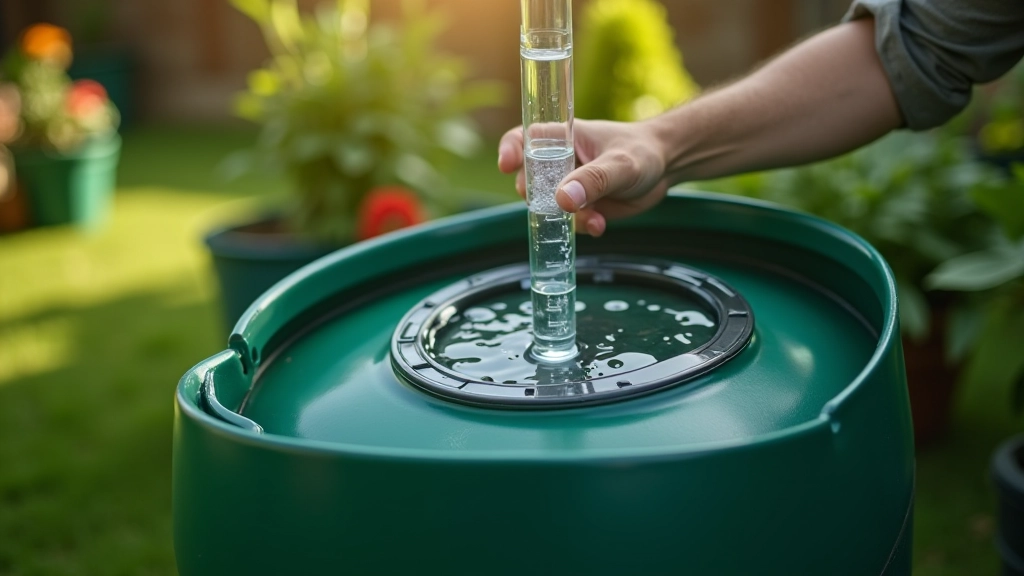
Spring's when your barrel comes back to life. After winter dormancy, you need to check what condition it's in. First thing: drain it completely. Don't just leave whatever water accumulated over the cold months — drain it all out.
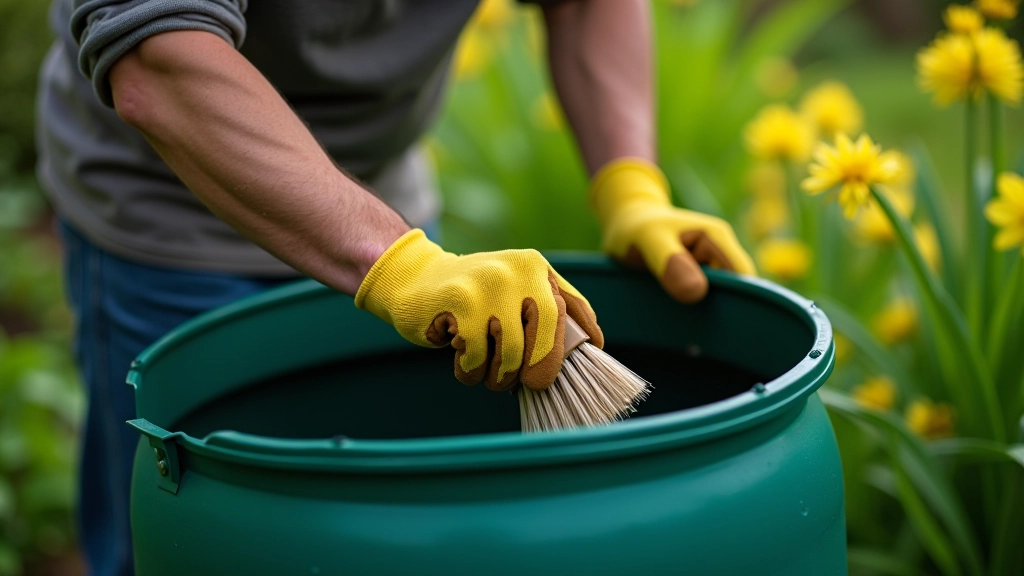
Once it's empty, look inside. You'll probably see some sediment at the bottom — dirt, leaves, debris that settled during fall and winter. Use a soft brush to gently scrub the interior walls. You're not trying to damage the plastic, just remove the grime that's accumulated. A long-handled soft-bristle brush works perfectly for this.
Check your inlet screen and overflow valve. Make sure they're not clogged. Debris can get stuck there, and you don't want that preventing water from flowing properly. If you've got a spigot at the bottom, open it briefly to flush out sediment. Then rinse everything with fresh water before refilling.
Summer brings heat and sunlight — perfect conditions for algae to bloom. You'll notice green or brown discoloration on the inside walls. It's not dangerous, but it's unsightly and can affect water quality. The best prevention? Keep your barrel covered. A tight-fitting lid or mesh screen blocks sunlight while still allowing water in.
Check your water level weekly. In hot, dry weather, barrels can lose water through evaporation — sometimes a half-inch per week depending on how hot it gets. Don't let it get below a quarter-full. Your drip system needs adequate pressure to function properly. Also, look for any cracks or seepage. Summer heat can stress the plastic, so catch problems early.
Every 2-3 weeks, inspect your inlet screen for debris. Summer storms can fill your barrel quickly, and leaves, pollen, and dust come with that water. A clogged screen means water overflows instead of filling your barrel. It takes 30 seconds to check and clean it out.
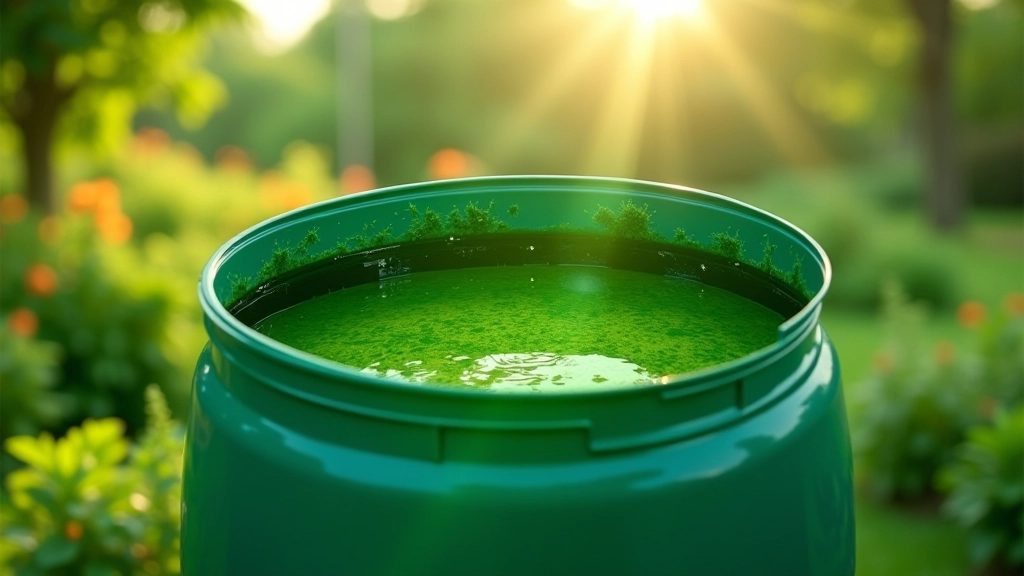
Fall is leaf season, and that means your barrel's going to collect a lot of organic debris. Leaves, twigs, and seed pods accumulate in your inlet screen and can create a thick mat on top of the water. Don't let this pile up. Clean your screen at least once a week during peak leaf drop.
This is also the time for a more thorough interior cleaning. Drain your barrel completely again. The algae and sediment that built up over summer needs attention. Scrub the interior walls and floor more aggressively this time. You can use a diluted vinegar solution (1 part vinegar, 9 parts water) to help break down stubborn algae without harming the barrel material. Don't use harsh chemicals or bleach — they can leave residue that contaminates your water.
Check your drip lines and emitters. Sediment can block those tiny drip holes. Run water through your system without the barrel connected to clear any buildup. If emitters are clogged, you can soak them in vinegar for a few hours to dissolve mineral deposits. Fall's the perfect time to address these issues before you need your system less frequently.
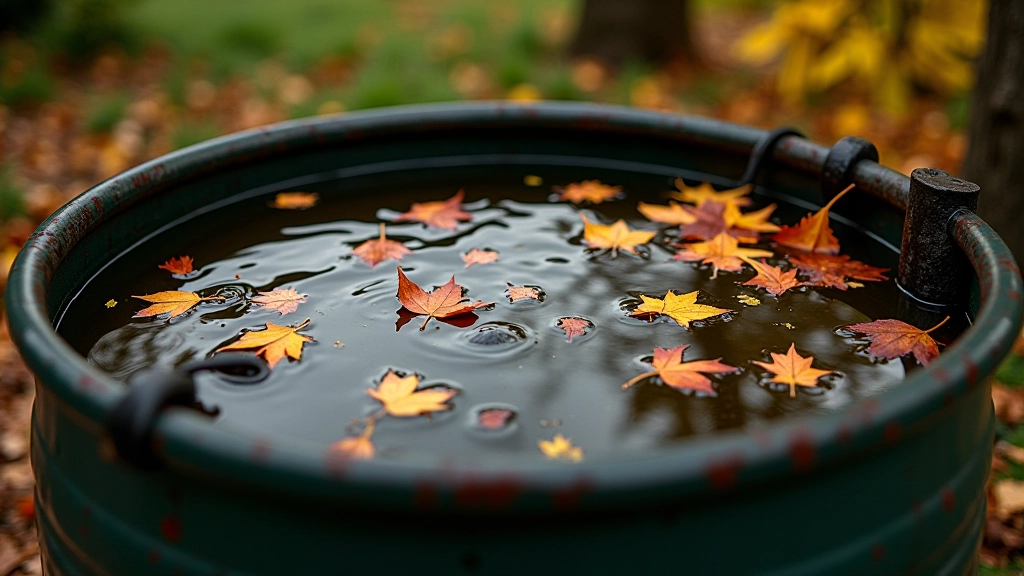
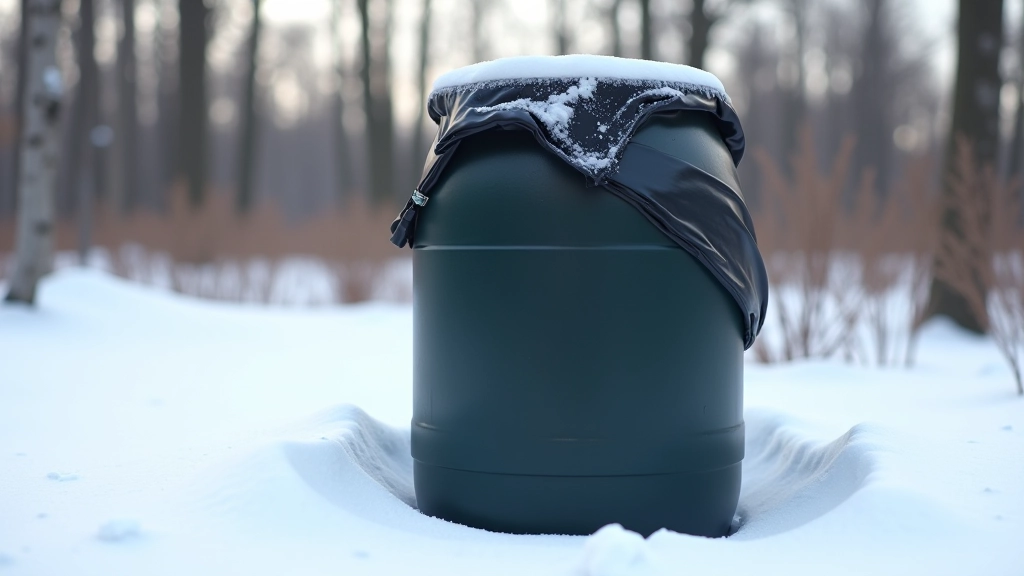
In cold climates, winter requires special attention. Water expands when it freezes, and if your barrel's completely full, that pressure can crack the plastic. You've got two options: either drain the barrel completely before the first hard freeze, or leave it half-full to allow for expansion. Most people prefer draining it entirely — you're not collecting water in winter anyway.
Before draining, flush your system one last time. Get any remaining water and sediment out of your drip lines. Don't let water sit in those hoses over winter. Disconnect the drip irrigation system, drain it completely, and store it somewhere frost-protected. Ice formation inside hoses will damage them beyond repair.
If you live in a milder climate where it doesn't freeze hard, you can leave your barrel in place but keep monitoring it. The inlet screen still needs checking after rain. And water level still matters — even in winter, some water will evaporate. Just don't rely on your barrel for irrigation during this season unless you're in a place where freezing isn't a concern.
Here's a quick reference for what you should be doing each season:
This guide provides general maintenance recommendations for rain barrel systems. Specific maintenance needs may vary depending on your climate, barrel type, local water quality, and system setup. Always refer to your barrel manufacturer's guidelines for specific care instructions. If you're unsure about any aspect of your system, consult with a local gardening expert or water management professional.
Seasonal maintenance isn't complicated, but it's absolutely worth your time. A well-maintained barrel will last for years and deliver clean water for your garden throughout the growing season. You're not looking at expensive repairs or complete system overhauls if you stay on top of basic care.
The rhythm is simple: inspect in spring, monitor through summer, clean thoroughly in fall, and prepare for winter. That's it. Spend a little time now, and you'll avoid frustration and wasted water later. Your barrel's designed to work hard for you — give it the basic attention it needs, and it'll reward you with reliable water collection season after season.
Editorial Team
Written by the primaxvale editorial team, focused on practical rainwater harvesting and drip irrigation guidance. We share hands-on knowledge for garden water systems that actually work.
Complete walkthrough of barrel selection, placement, and connecting your first downspout.
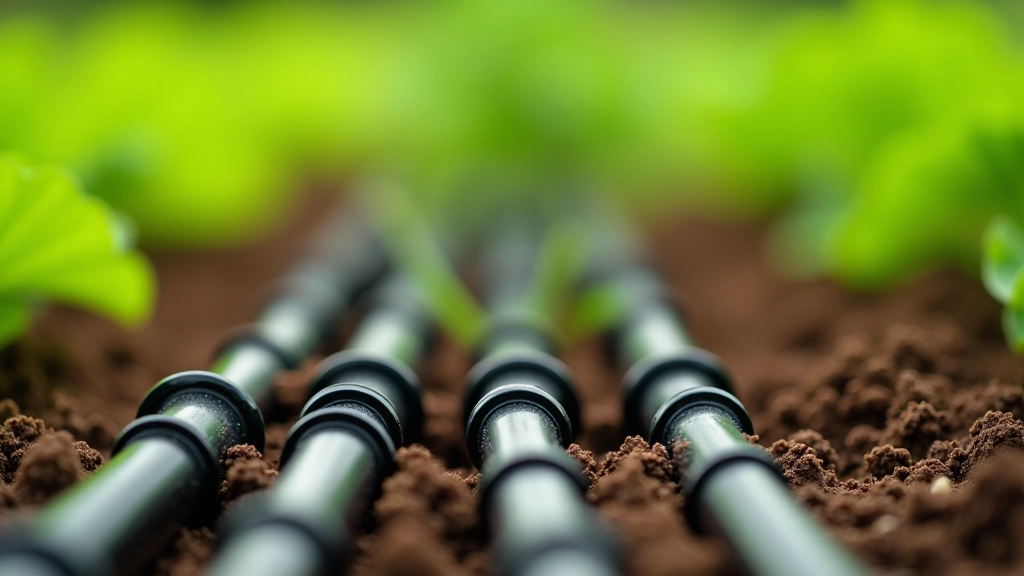
Step-by-step guide to running drip lines from your barrel. Covers hose selection and emitter setup.
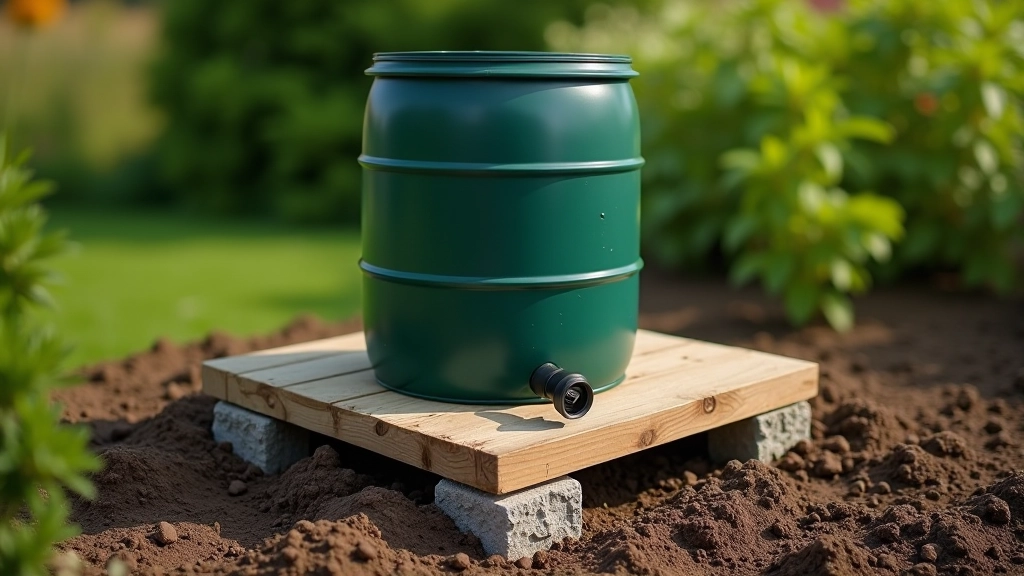
Choosing the right location matters. We discuss weight distribution, ground stability, and drainage.