
Common Questions About Rainwater Barrels
Get answers to questions about barrel installation, drip irrigation setup, and maintaining your rainwater collection system in Klaipėda gardens.
A standard 200-liter barrel collects roughly 200 liters of water from every 100 square meters of roof area during a rainfall. In Klaipėda, with average annual rainfall around 700mm, a single barrel fills multiple times during the growing season. The actual amount depends on your roof size, gutter system, and how much rain we get in any given month.
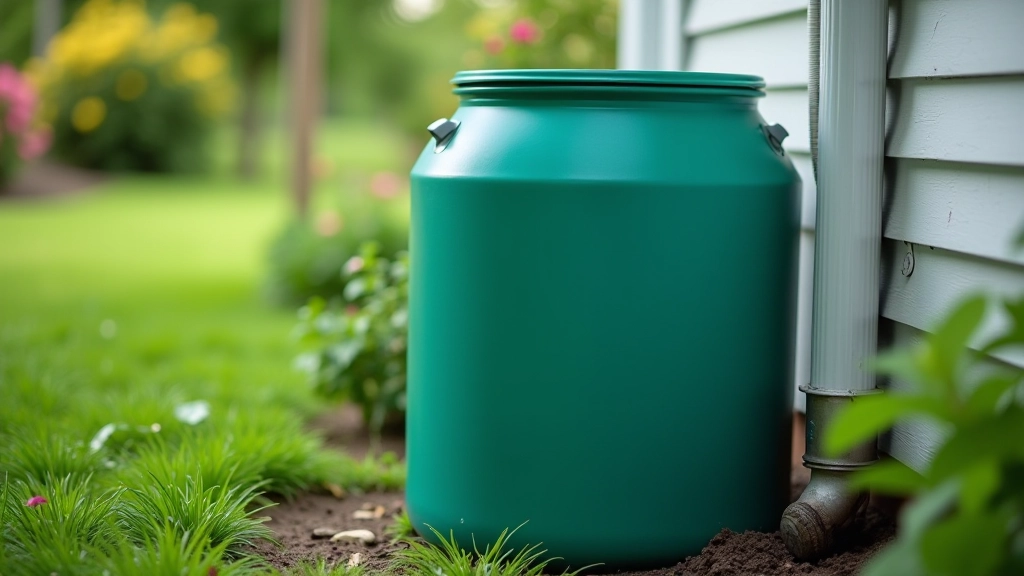
Place your barrel as close to a downspout as possible and on level, compacted ground. It should be slightly elevated (even 30–50cm helps with gravity-fed drip irrigation) and accessible for cleaning and overflow management. Shade is a bonus because it slows algae growth, but it's not essential if you use a covered barrel.
Spring and autumn cleanings are ideal—rinse sediment from the bottom and check the filter. In summer, a quick visual check every 2–3 weeks helps catch debris or algae early. If your barrel has a mosquito screen, make sure it stays clear. Most people find it's minimal work once the system is set up right.
Yes—rainwater is excellent for edibles. It's chemical-free and free of the chlorine sometimes added to tap water. Just keep the barrel covered to prevent mosquito breeding and debris. A basic mesh screen on the downspout intake and a simple filter help ensure clean water for your food garden.
In Klaipėda winters, you'll want to drain your barrel and disconnect drip lines before temperatures drop consistently below freezing. Many people store the barrel indoors or drain it completely to prevent cracking. Once spring arrives, you can reconnect and start collecting again—the whole process takes just a few minutes.
Ready to set up your rainwater system?
Whether you're planning a DIY installation or want expert help with barrel placement and drip irrigation, we're here to guide you through every step.
Get Started Today